Post-sterilization packaging

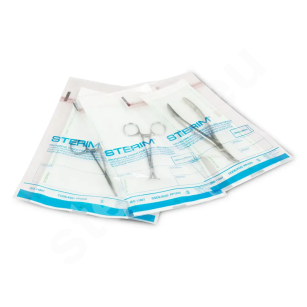
Post-sterilization packaging allow for convenient preparation of subsequent loads for sterilization and, once the sterilization process is complete, enable the safe transport of sterilized instruments and medical products to storage areas. Transport containers are essential for moving equipment and medical products between the central sterilization department and operating theatres, treatment rooms, and hospital wards. They protect sterilized packs from damage, and their design helps maintain high sanitary standards.

Post-sterilization packaging

Proper protection of medical instruments during transport is necessary both when carrying and transporting contaminated instruments after use and when moving packs containing sterilized instruments. In the first case, the primary objective is to prevent potential contamination originating from soiled instruments after procedures. This is why it is necessary to use containers with tight-fitting lids that allow for the safe transport of instruments between the procedure area and the sterilization workstation or sterilization department. In addition to their transport function, such containers are also used for the initial cleaning and disinfection of instruments—instrument trays placed inside the container are covered with moisturizing and disinfecting foam. The dimensions of the containers comply with standards for sterilization trays and baskets, ensuring compatibility and smooth instrument circulation within the facility. Transport containers are made of materials that are easy to keep clean, and their design (rounded internal corners) prevents the accumulation of contaminants.

Bags and packaging for transport

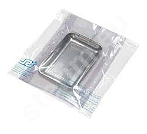
Another group within the transport packaging category includes products designed to protect sterile packs containing medical instruments. Additional protection is recommended whenever standard sterilization packaging is exposed to the risk of mechanical damage. Ambulances, mobile diagnostic units, first-aid kits in vehicles, and paramedics’ bags—these are environments where vibrations and movement of packs pose a serious threat to the sterile barrier. In such cases, an effective solution is the use of additional plastic bags in which sterilized packs are placed. The risk of puncturing or tearing the packaging is significantly reduced, and the design of the protective bag—large transparent film allowing immediate identification of the contents—takes user needs into account. An important advantage of protective bags is the extension of the shelf life of sterilization packs. Thanks to the additional protection provided by tightly sealed bags, sterile instruments or instrument sets can be stored for longer periods. This can be a major convenience for facilities where the consumption of sterile packs is low and/or irregular.