Autoclave for instrument sterilization
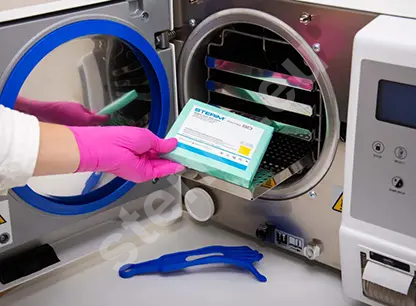
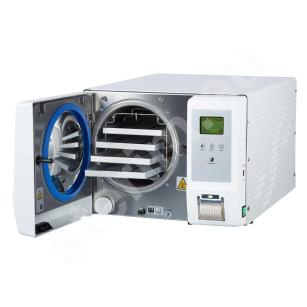
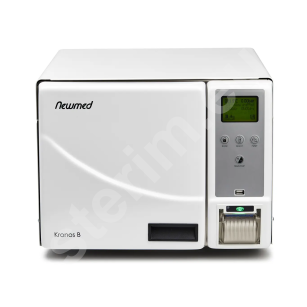
Steam sterilization performed in an autoclave is by far the most popular method of sterilizing medical instruments, especially in small medical facilities, dental offices, and beauty industry salons. Thanks to a wide market offering, every facility owner can select the optimal size of a steam sterilizer. The smallest devices can accommodate three trays. An autoclave is ideal for sterilizing typical medical instruments that are resistant to high temperatures. Operation is simple, and the device itself does not require additional chemical agents. Autoclave sterilization enables effective decontamination of porous materials as well as instruments with complex structures. Modern steam sterilizers are equipped with high-quality systems that regulate and monitor process parameters, making documentation easier. However, regular performance testing of the autoclave must not be overlooked—preferably using the Bowie–Dick test—as well as mandatory periodic technical inspections.
Medical sterilizer – not only for hospitals
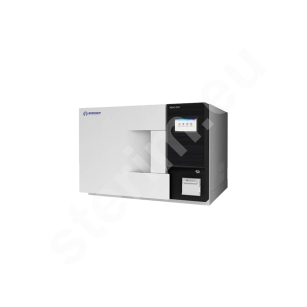
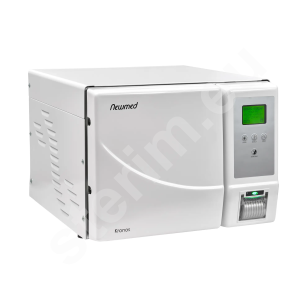
The Sterim store offers steam and plasma sterilizers in various sizes, designed for use in small facilities—at office-based sterilization stations—and in larger institutions, such as local and central sterilization departments. When selecting a device, the scale of the facility’s operations must be considered, as it directly affects the volume of medical materials requiring sterilization. A larger sterilizer chamber allows for a greater load to be processed at once, increasing overall efficiency. The choice of sterilization method and sterilizer size also depends on the type of instruments being processed. This is particularly important for instruments and accessories sensitive to high temperatures, which excludes the use of standard steam sterilization. In larger facilities (central sterilization departments), the adopted load unit standard must also be taken into account. Regulations require compatibility between devices and accessories used in central sterilization units.
Sterilization equipment – always under control
Regardless of the type of sterilizer used, it is necessary to maintain detailed documentation of all sterilization cycles. In addition to specifying the sterilization method, device identification code, date of sterilization, and the name of the person responsible for the process, the documentation must also include the results of chemical and biological controls as well as data on critical sterilization parameters specific to the given method. Therefore, the performance of the sterilizer must not only be continuously monitored but also properly documented. Modern sterilizers are equipped with advanced data archiving systems and printers that allow immediate generation of reports for inclusion in records. Additionally, each sterilizer must undergo periodic performance inspections at least once a year. Device inspections and calibration of measuring instruments may only be carried out by individuals authorized by the manufacturer or distributor of the sterilizer. For devices included in its offer, Sterim provides full warranty service as well as post-warranty technical support.




 Your order will be processed