When Is Steam Sterilization NOT the Right Method?
Modern sanitary standards strictly require the use of sterile medical instruments, dressings, and accessories, and in some cases also substances used in medicine and cosmetology. There are two options — either using single-use products sold in sterile packaging, or sterilizing medical materials using one of several recognized methods. The most popular is medical sterilization with water steam, but it's important to remember that this method has its limitations.
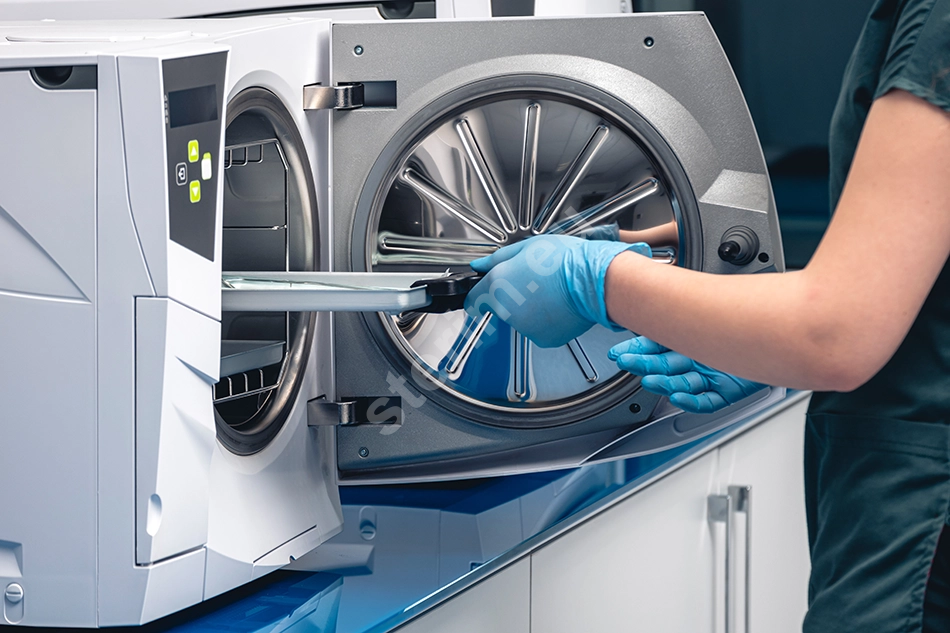
Table of contents:
Steam sterilization of medical materials — the most popular method, but... with limitations
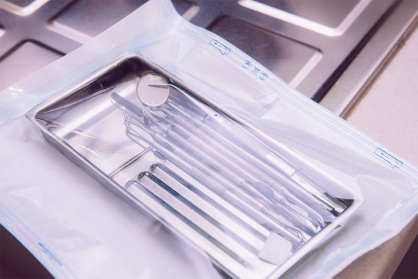
Sterilization performed in a steam sterilizer (autoclave) is by far the most popular method. This is mainly due to the simplicity of the process, the widespread availability of equipment and consumables, and the low costs involved. Equipping a small medical office or beauty salon with the necessary equipment does not involve excessive expense, implementation (mainly staff training and introducing the necessary procedures) goes smoothly, and ongoing operation is trouble-free. It is also of great importance that this method can sterilize almost all popular reusable instruments and accessories used by doctors and nurses, podiatrists, tattoo artists, beauticians, manicurists, and hairdressers. These instruments are most often made of heat-resistant steel and are small enough to fit a sterilization package into the chamber of a small autoclave.
That's right, we said "almost all." Some specialized medical procedures (treatment and/or diagnostics) use advanced tools and accessories. These are sometimes complex, and almost always delicate — because they consist of, for example, sensitive optical elements, electronic modules, wiring, and so on. Examples include endoscopes, ultrasound probes, fiber optic cables, or ophthalmic lenses. Moisture and high temperature are deadly for them, so the popular method of pressurized steam sterilization (at temperatures exceeding 120°C) is out of the question.
A different kind of problem arises when it is necessary to sterilize chemical substances, mineral compounds, or oil solutions (for example, before preparing pharmaceutical formulations). In this case, too, we cannot use steam sterilization, because these substances are often not resistant to water or are impermeable to moist heat.
Plasma sterilization or hot air sterilization — an alternative to steam sterilization
Plasma sterilization is an appropriate solution for sterilizing temperature-sensitive medical materials. To neutralize bacteria, viruses, and fungi, it uses the properties of hydrogen peroxide (H2O2) and UV radiation. The process takes place at a temperature of around 50°C, which is more than half the temperature inside a steam sterilizer chamber. This means complete safety for delicate instruments and medical electronics.
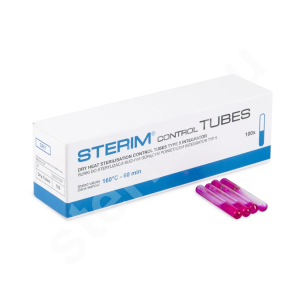
For sterilizing water-sensitive chemical substances, the dry hot air sterilization method is used. Air heated in the sterilizer chamber to a temperature of 160 or 180 degrees Celsius causes the gradual oxidation of cells in viruses, bacteria, and fungi. This process is simpler (there is no need to supply water), but it requires more time, which translates into higher energy consumption. Of course, this method cannot be used to sterilize medical materials that are sensitive to high temperatures.
Which sterilization method is the most effective?
The simplest answer is — "any of them, as long as it is matched to the specific needs and carried out correctly." All the methods discussed are widely recognized, and although they enjoy varying degrees of popularity, they all achieve the same result — the neutralization of microorganisms (including in spore form).
The key is following the recommendations and carefully carrying out each successive step required by the reprocessing procedure — at the stage of preparing medical materials for sterilization, monitoring the parameters of the sterilizing agent (water steam, plasma, hot air) and the exposure time to that agent, as well as — essential! — verifying the effectiveness of sterilization using tests.
Specific consumable materials
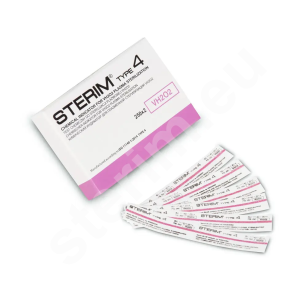
It should be remembered that, due to the different physical parameters of each method, the chemical tests (confirming that these parameters have occurred) must also be specific. This is why, for plasma sterilization, we cannot use tests intended for monitoring steam sterilization. In this case, special products must be used, such as PIS250 plasma sterilization tests (available in the Sterim store's offering). It is also worth mentioning that specialized products are used for biological tests as well (the indicators intended for biological testing in plasma sterilization are Sterim PBI-050 tests).
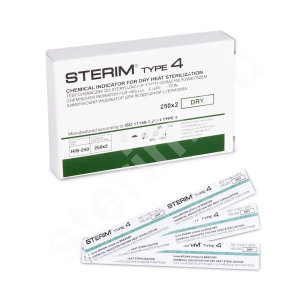
For dry hot air sterilization, the appropriate product is HIS250 hot air sterilization tests. It is also worth mentioning the special nylon packaging used to prepare packages for dry air sterilization.